Music is the key to the soul. It is a means of expression, baring out the deepest of emotions through melody, rhyme, and beat.
It is a way of telling stories that make those stories more appealing to listeners through the enchantment of the ears.
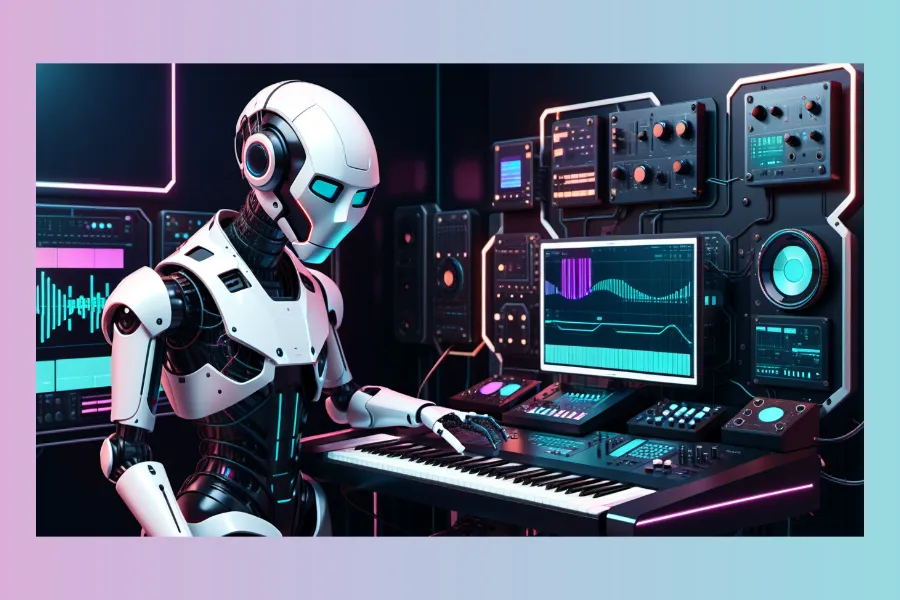
But music, as we know it, is about to change forever. And what is bringing about that change? Technology. Artificial Intelligence.
Technology: Tool or Threat?
Technology, they say, is a systematic way of doing things or solving problems for the good of mankind. It is supposed to make things easier for humans, not take away the essence or ingredient that makes such endeavours original, pure, and human-made.

With the popularisation and skyrocketing development of Artificial Intelligence, many are of the opinion that art as we know it may no longer be something original to man or defined by the things that make it unique. It may now become something any Tom, Dick, and Harry can make with the push of a few buttons and very detailed prompts.
The Papaoutai AI Cover Controversy
This feeling is best portrayed in the disappointment that came into play when the world found out that the trending cover of Papaoutai by Arsene Mukendi was actually generated by Artificial Intelligence.
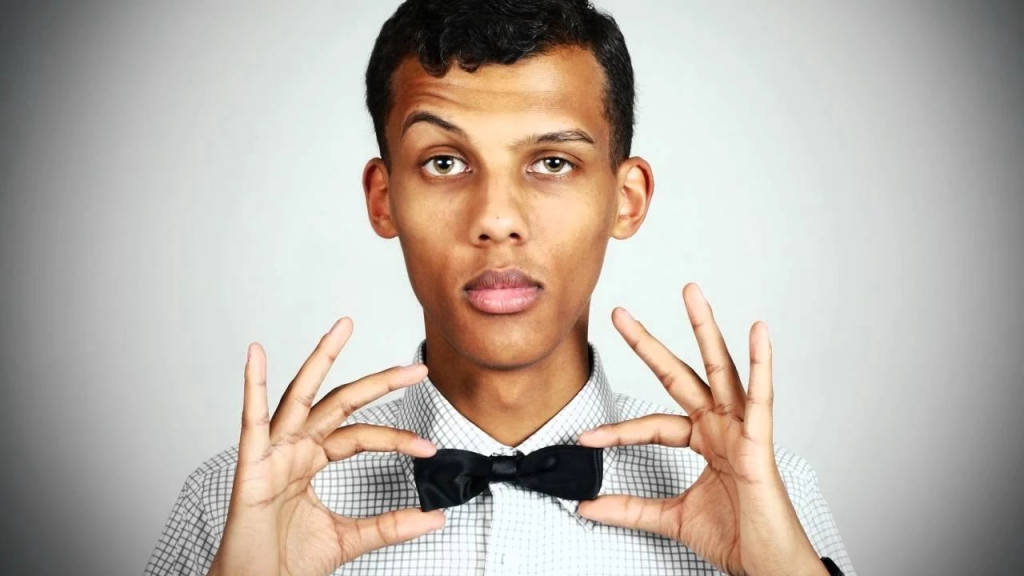
The song, originally sung by Belgian singer, rapper, songwriter, and record producer Stromae, went viral in December. It came to be when a trio of digital artists and producers known as Chill77, Unjaps, and mikeeysmind created an AI-rendered voice of Arsene Mukendi on the Stromae song.

They played on creating an AI-generated “Afro Soul” version of the original Stromae hit.
Who Is Arsene Mukendi And Why Did The Song Go Viral?
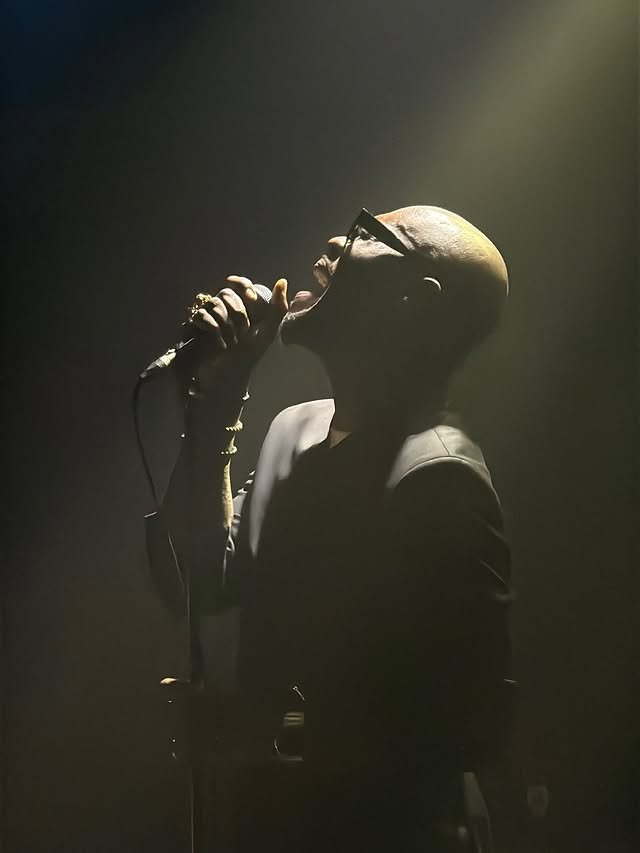
Arsene Mukendi is a real artist who first became a household name in France. This was when he appeared on The Voice France. His recognisable image and vocal presence made the AI-generated cover even more convincing to unsuspecting listeners.
The cover exploded in early 2026 for a few key reasons. They include the fact that it transforms Stromae’s high-energy dance-pop track into a stripped-back, emotional Afro Soul/Afro House ballad. In these days when everyone is reimagining old songs or making AI-generated alternate-genre versions of popular songs, like 50 Cent’s In Da Club into Soul or Michael Jackson’s Beat It into Afrobeat, this is no different. It is simply latching onto the trend.
Emotional Weight: The AI version emphasizes the pain in the lyrics by slowing down the tempo and adding orchestral flourishes and war drums. Stromae wrote the lyrics about his father, who was killed in the Rwandan genocide.
The “Uncanny” Factor: The vocal was so convincing that it sparked massive debate online. Debate about the ethics of AI music versus human performance.
The Illusion of Authenticity
Arsene Mukendi did not give the prompt or record this specific version. He later confirmed on social media that the performance was AI-generated. He embraced the quality of the result though. What he did do was record a cinematic video of himself performing the song. His lip-sync video looked so authentic. Many fans initially believed he had actually gone into the studio to record the cover.
Artists, AI, and the Bigger Question
When thinking about the entire AI issue and how it is affecting the music industry, one cannot help but go back to the popular interview featuring Asake and Wizkid. the Afrobeats bigwigs were asked if they would mind AI taking over the music industry. They both opined that if Artificial Intelligence can make and sing the songs while they collect the royalties and other returns, they are okay.

As playful as this sounds, one still needs to worry about the fact that Artificial Intelligence has already started taking people’s jobs and putting people out of business. We also get to ask the question: what if Artificial Intelligence takes over the world? What if we are all forced into a Terminator or The Matrix type of future?
Between Hope and Fear
Now that things like art, music, videos, and more are being taken over by AI, what if these machines become sentient and decide to enslave or wipe out humanity? Let’s not go that far with our conspiracy theories.
Let’s instead hold on to the hope that technology, while capable of doing all these things, does not reach a point where it becomes a disadvantage instead of a companion.
Conclusion: Preserving the Human Element
Music has always been more than sound—it is memory, emotion, and lived experience translated into art. While Artificial Intelligence may reshape how music is created, shared, and consumed, the soul behind the music must not be lost. Technology should remain a tool that amplifies human creativity, not one that replaces it. The challenge ahead is not stopping innovation, but ensuring that humanity remains at the heart of the art it inspires.
