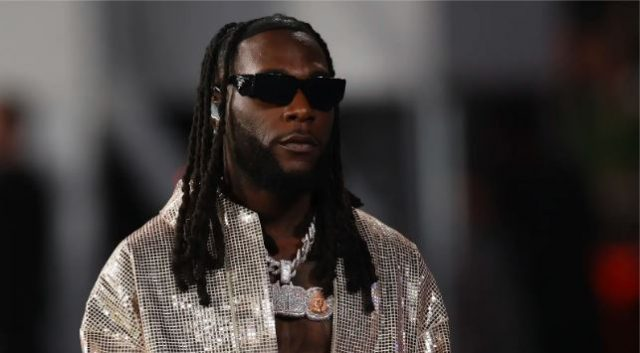
In the Yuletide season, a handful of tracks dominated the airwaves, even if they weren’t fresh drops. They served as gentle reminders to Nigerians of our shared humanity amid the festivities of giving, joy, and celebration. Among them stood out one Burna Boy track “Love”—a seemingly cautionary tune that reveals the Afrobeat icon’s take on compassion, but one that ultimately falls short in true humanitarian spirit.
Breaking Down the Song’s Core Message
“Na Who Love Us We Go Love” is the fourth track on Burna Boy’s 2025 album “No Sign of Weakness”. In this introspective piece, the artist delves into the essence of authentic connections, urging listeners to withhold unconditional love because reciprocity isn’t guaranteed. He advocates for tuning out phony people or detractors, instead channeling energy toward those who stand by you in the toughest moments—the “fire-fire” trials of life. This sentiment echoes loudly in the chorus:
“Na who go dey by your side if you waka through fire fire (Who would be by your side if you walk through the fire)
Follow you stand inside the fire
Na who love me I go love (It’s who loves me I will love)
Na who love us we go love (It’s who loves us we will love)
Who go believe you when the whole world is calling you a liar liar (Who will believe you when the whole world is calling you a liar?)
Na who love me I go love (It’s who loves me I will love)
Na who love us we go love (It’s who loves us we will love)”
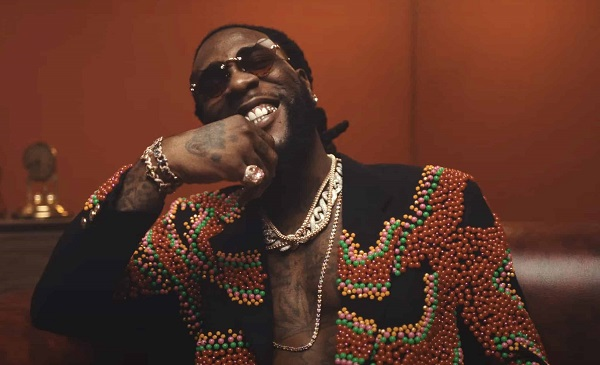
More On The Burna Boy Song’s Core
The second verse builds on this, warning against living to please others, as some folks can be downright diabolical. Burna Boy stresses that not everyone will return your affection, so it’s wiser to barricade your heart from the world and avoid overextending yourself—after all, “we no be Jesus.” These ideas come through in lines like:
“No go dey live your life to impress anybody
Because some people worse pass satan
Na who love me I go love
Na who love us we go love
Even though you love everybody
Everybody no go fit love you (Fit love you)
Turned my mind to my weapon
Fuck the world with the large condom
Anytime you vex omo
I go like make you hear this song
Me and you no be Jesus
So na only who love us we go love”

The third verse shifts to practical advice: drown out distractions, chase your ambitions, and prioritize your inner circle once success arrives. Lyrics here reinforce self-preservation:
“… Ti won bota (push them out)
Leave them inside gutter
Focus on your bread and butter
Feed your sons and daughters
Make sure that your mother no suffer
Just dey live your life baba
Just keep am real and proper
Focus on better customers
No say Naija lo wa my brother
Search and you will find
E no matter if they are close to you
Never buy a dream if it’s sold to you
(Ah ah ah no be lie)”
The Uplifting Strengths of the Burna Boy Track
On the surface, Burna Boy’s song shines as a mature and empowering anthem. It promotes safeguarding your inner peace, valuing genuine bonds, and refusing to chase universal approval. In a fast-paced world filled with superficial interactions, this message resonates deeply—encouraging self-care and focus on what truly matters. It’s street-smart wisdom wrapped in Burna’s signature Afro-fusion beats, making it both relatable and motivational for anyone navigating life’s challenges.

The Dark Underbelly: Promoting Conditional Love and Unforgiveness
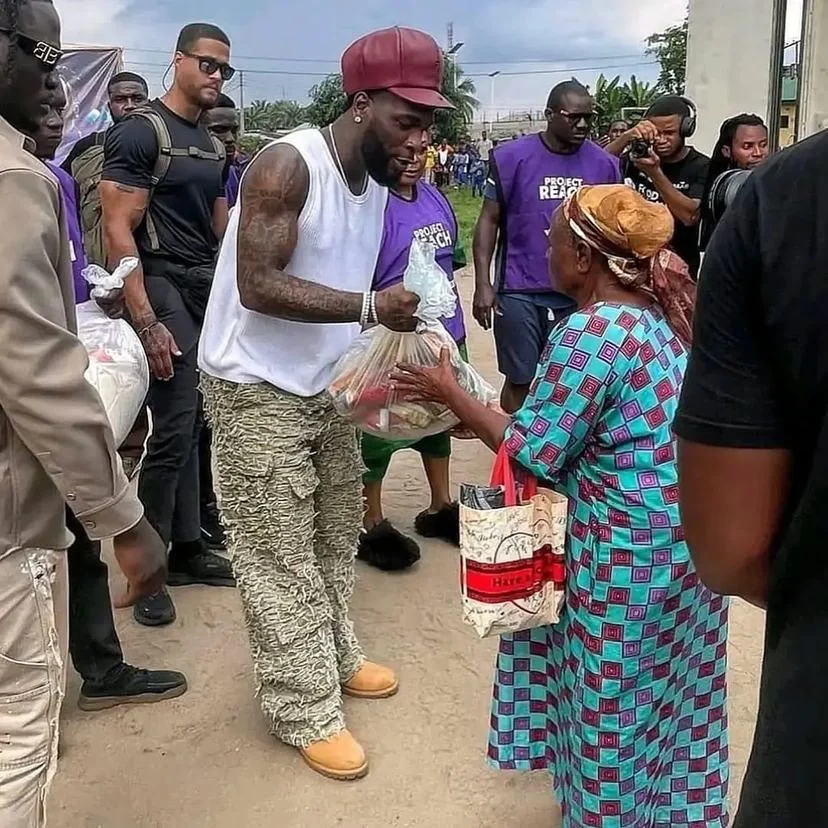
Yet, beneath this veneer of empowerment lurks a troubling philosophy that undermines broader ideals of humanity. While we can appreciate the realism in acknowledging human limitations—no one is as flawless as Jesus—the song’s core push for conditional love stands in stark opposition to timeless principles like the Golden Rule: treat others as you’d want to be treated. In a deeply conservative Nigerian society, where Christianity holds sway (and Burna Boy himself has alluded to his faith), this stance clashes with foundational values of forgiveness, tolerance, and extending goodness even to those who’ve wronged you. It also goes against his humanitarian side as he himself owns a foundation/humanitarian outfit.

By insisting on loving only those who love back, the track fosters a cycle of unforgiveness that could harden hearts rather than heal them. It dismisses the power of unconditional generosity, suggesting we should close off to the world instead of rising above hurts. This isn’t just a personal choice; in a nation grappling with division, it sets a poor example for the youth.
Why This Matters for the Next Generation
All things considered, Burna Boy’s “Love” offers valuable insights on authenticity and resilience, but it falters in advocating for a more compassionate worldview. Regardless of faith or background, true progress demands we model goodness irrespective of past pains. For the incoming generation, we must instill pillars like forgiveness, tolerance, unconditional love, and selfless giving—the very tools needed to build a kinder Nigeria and a better world. Songs like this, while catchy, risk steering us away from that path if we don’t critically examine their deeper implications.
