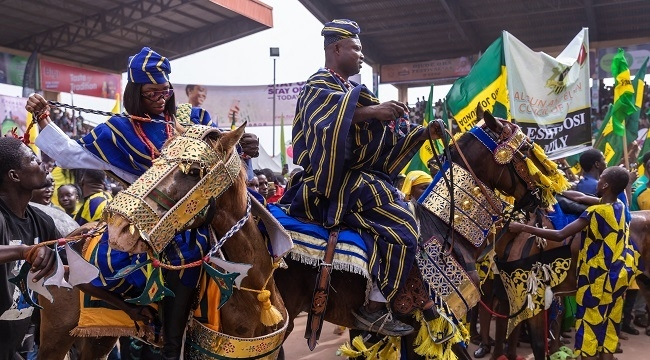
The ancient city of Ijebu-Ode came alive in a kaleidoscopic burst of colour, rhythmic drumming, equestrian displays, and unmatched elegance on May 29, 2026, as the annual Ojude Oba Festival returned in grand fashion. Long regarded as one of the most important cultural gatherings in Yorubaland, this year’s edition was more than a festival—it was a powerful statement of identity, continuity, and cultural pride.
What has traditionally been an annual homage to the Awujale of Ijebuland evolved into an unforgettable celebration of heritage infused with modern glamour, social media influence, and economic opportunity. From the vibrant regberegbe processions to the breathtaking horse-riding displays, Ojude Oba 2026 reaffirmed its growing reputation as Nigeria’s unofficial “Steeze Olympics.”
The Return of the King of Steeze
No conversation about Ojude Oba in recent years is complete without mentioning Farooq Oreagba, the man affectionately known as “Daddy Steeze” and the “King of Steeze.”
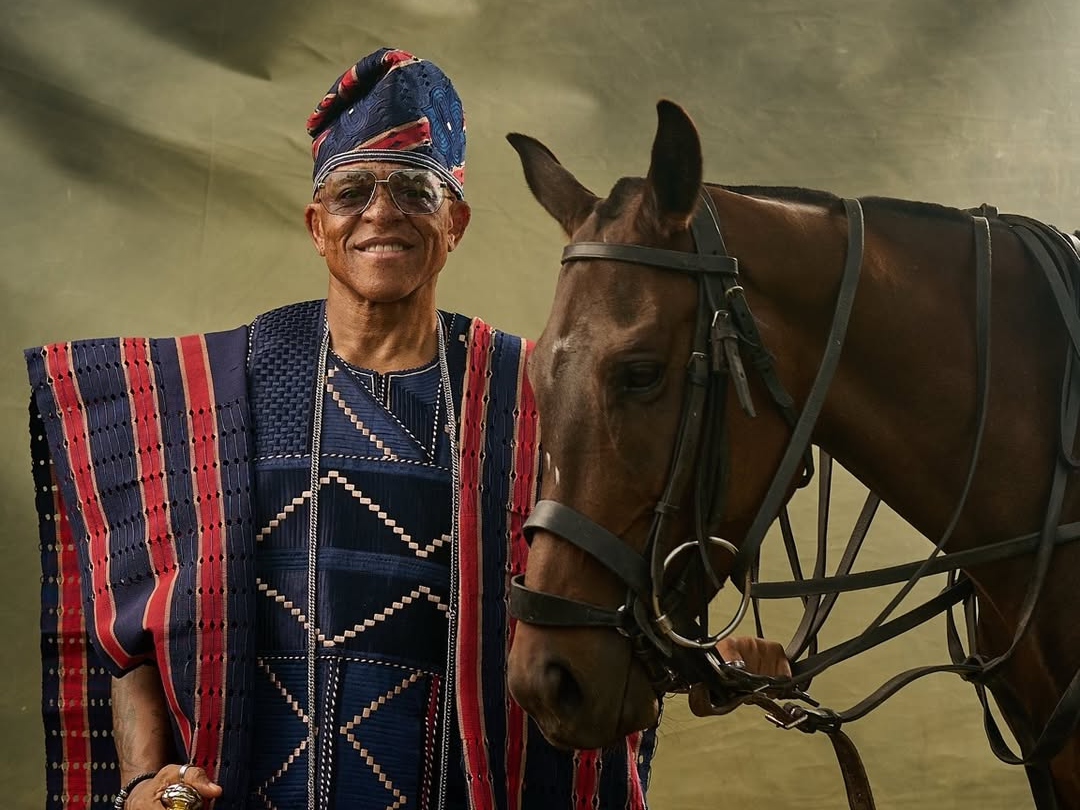
His unforgettable appearance at the 2025 festival transformed him into a global sensation. Clad in finely tailored Aṣọ-Òkè, wearing dark sunglasses and confidently riding a horse while casually holding a cigar, Oreagba became the embodiment of effortless style and cultural confidence. The viral moment resonated far beyond Nigeria, turning him into an internet icon and cultural ambassador.
Since then, the capital market executive and cancer survivor has successfully transformed his popularity into a thriving personal brand built on resilience, elegance, and authenticity. His influence attracted endorsement deals with major brands, including Airtel and Glenfiddich, while also opening conversations about the economic value of culture and heritage tourism. Expectations were understandably high for his return in 2026. He delivered.
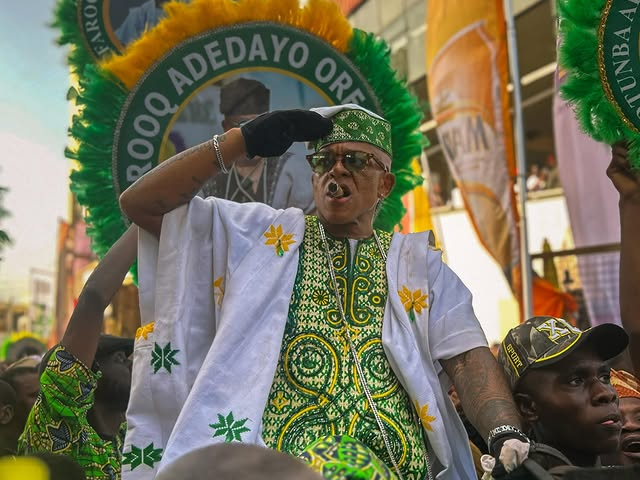
Arriving once again on horseback, Oreagba captivated the crowd with a masterfully curated ensemble that blended traditional Yoruba craftsmanship with contemporary luxury. Rich fabrics, intricate beadwork, and impeccable styling elevated his appearance beyond fashion into performance art. As he made his way through the festival grounds, cheers erupted from thousands of spectators, while social media platforms quickly filled with clips of what many described as another masterclass in “steeze.”
More importantly, Oreagba’s continued prominence demonstrates how cultural heritage can be repackaged for a new generation without losing its authenticity.
A Festival of Fashion, Prestige, and Community Pride
While Oreagba remained a focal point, he was far from the only attraction.
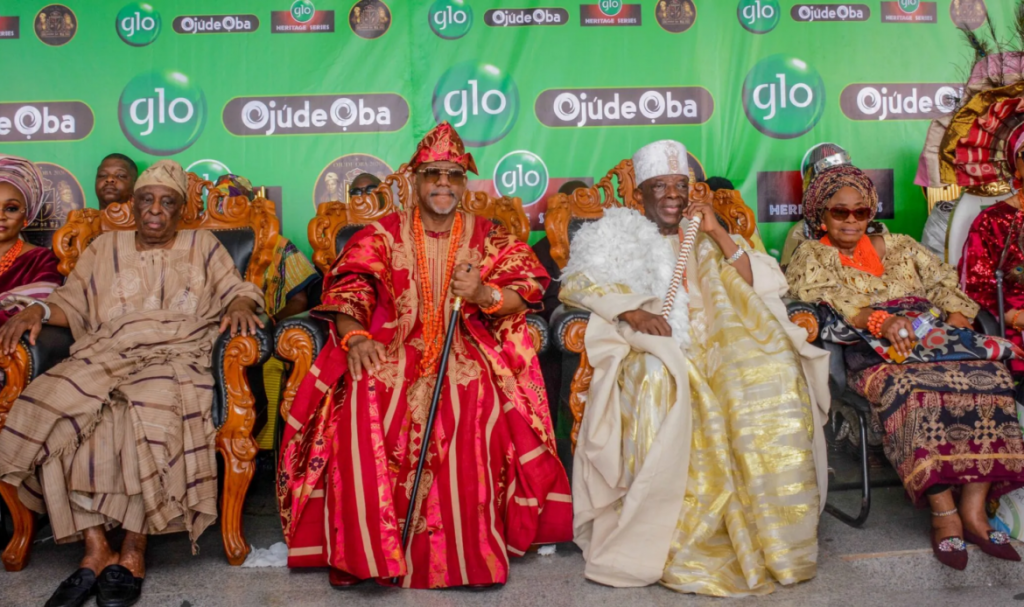
The 2026 edition attracted an impressive gathering of dignitaries, political figures, business leaders, entertainers, and cultural enthusiasts. Ogun State Governor Prince Dapo Abiodun, Seyi Tinubu, prominent Ijebu sons and daughters, captains of industry, and celebrated entertainers all made notable appearances.
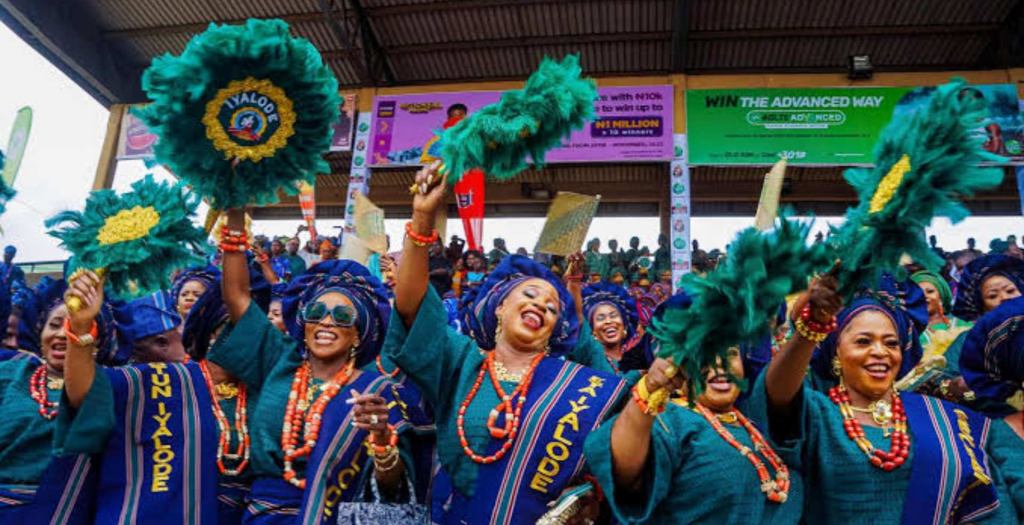
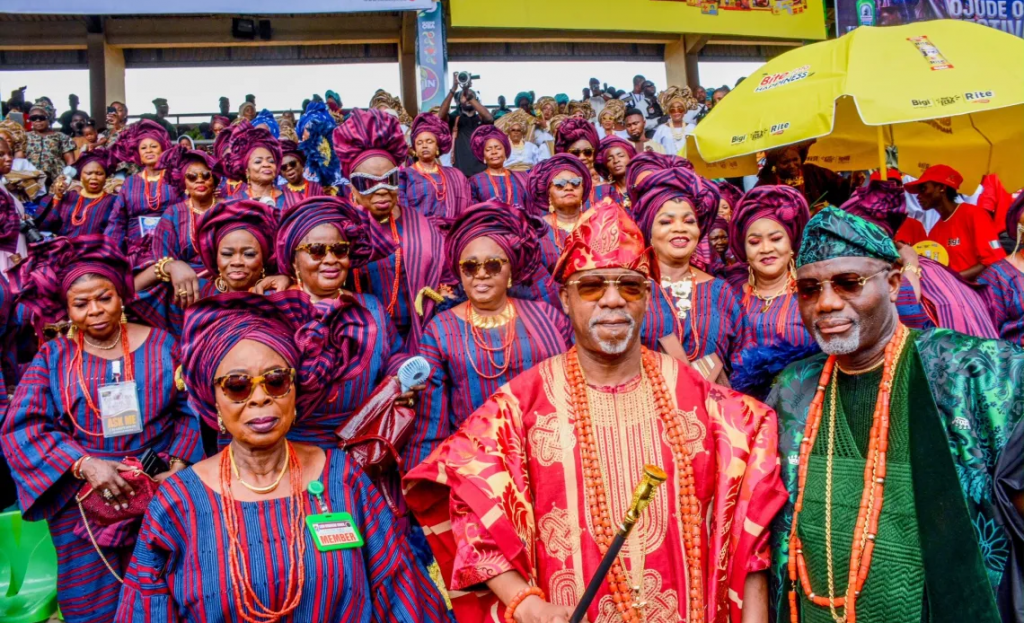
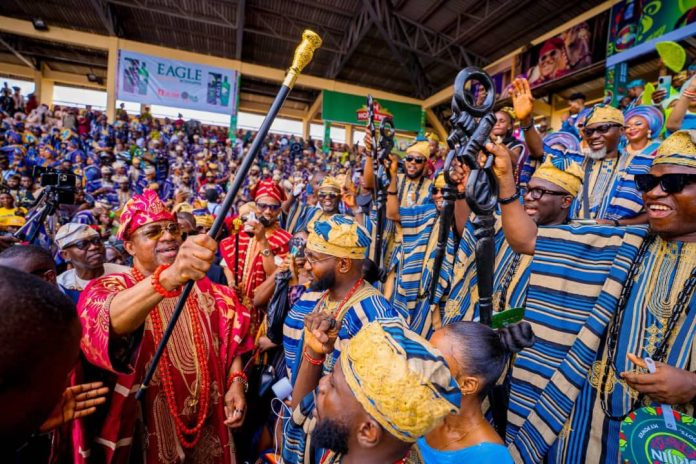
The regberegbe—Ijebu’s age-grade associations—once again proved why they remain one of the festival’s most anticipated attractions. Members paraded in meticulously coordinated outfits featuring luxurious Aṣọ-Òkè, ornate jewellery, elaborate headgear, and colour schemes that transformed the arena into a living fashion exhibition.
Equally captivating were the traditional horse-riding processions of the Balogun families. The riders, dressed in regal attire and accompanied by drummers and praise singers, recreated the martial heritage of Ijebuland while showcasing the enduring prestige of the warrior lineages.
Together, these displays reinforced Ojude Oba’s unique ability to blend history, fashion, social status, and communal pride into a single cultural experience.
Honouring the Legacy of Oba Sikiru Adetona
Beyond the glamour and spectacle, a profound sense of reflection shaped this year’s celebration.
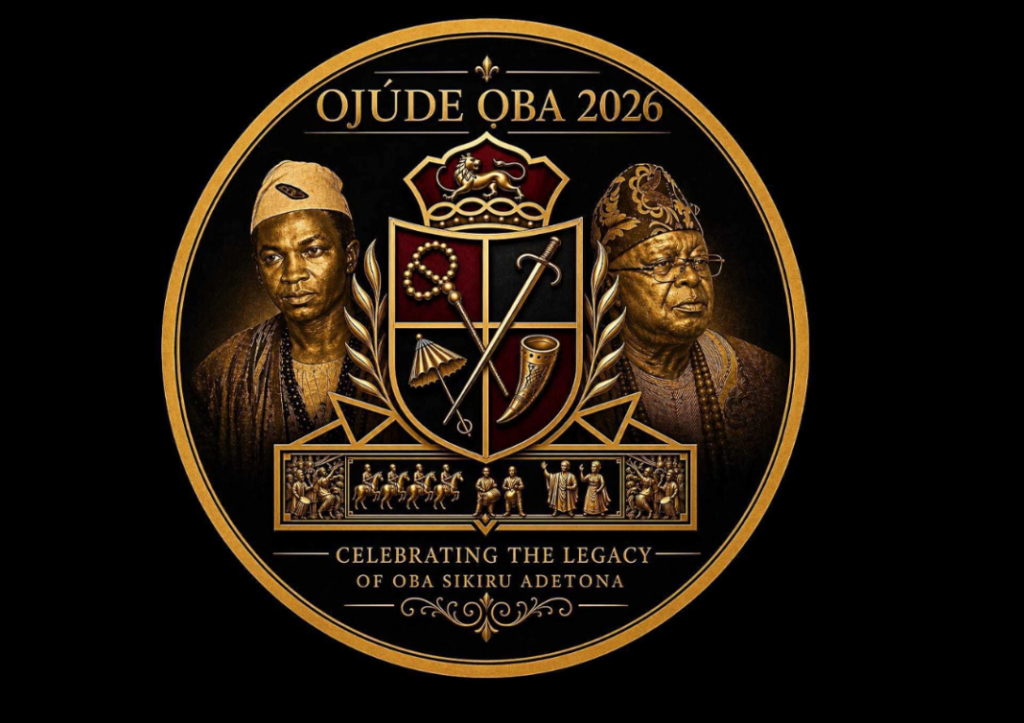
The 2026 festival was dedicated to celebrating the legacy of the late Oba Sikiru Kayode Adetona, the Awujale of Ijebuland, whose passing in 2025 marked the end of one of the longest and most influential reigns in Nigerian traditional history.
For the first time in over six decades, the revered monarch was not physically present at the festival he helped elevate to international prominence. The theme, “Celebrating the Legacy of Oba Sikiru Adetona,” served as both a tribute and a reaffirmation of his enduring influence.
Throughout his remarkable 65-year reign, Oba Adetona transformed Ojude Oba from a regional cultural gathering into a globally recognised symbol of Yoruba heritage. Before his passing, he had reportedly expressed his desire for the festival to continue uninterrupted, ensuring that future generations would preserve and celebrate the traditions of Ijebuland. The 2026 edition fulfilled that vision beautifully.
The History and Spiritual Essence of Ojude Oba
Despite its contemporary appeal, Ojude Oba remains deeply rooted in history.
The festival, whose name translates as “The King’s Forecourt,” originated in the late nineteenth century when early Muslim converts in Ijebu-Ode gathered after Eid-el-Kabir to pay homage to the Awujale and express gratitude for the religious tolerance they enjoyed.
What began as a modest thanksgiving visit gradually evolved into one of Africa’s most celebrated cultural festivals.
Today, Ojude Oba transcends religious boundaries. Muslims, Christians, and traditional worshippers participate side by side, making it one of the strongest symbols of unity, tolerance, and social cohesion in Yorubaland.
The festival serves as a powerful reminder that cultural identity can unite diverse communities while preserving shared values and collective memory.
An Economic Powerhouse for Ogun State
Beyond its cultural significance, Ojude Oba has become a major economic engine.
Every year, hundreds of thousands of visitors, including diaspora returnees, tourists, content creators, and business stakeholders, converge on Ijebu-Ode. The resulting economic activity generates billions of naira across multiple sectors.
Hotels operate at full capacity. Restaurants, transport providers, event planners, artisans, fashion designers, photographers, caterers, and traders experience a significant surge in demand. Local craftsmen and textile makers also benefit from increased patronage as regberegbe groups invest heavily in their annual presentations.
The festival has become a compelling example of how culture can drive tourism, stimulate entrepreneurship, create jobs, and contribute meaningfully to local economic development.
Corporate Partnerships and Flawless Execution
An event of this scale requires extensive planning and collaboration.
The Ojude Oba Planning Committee worked closely with community leaders, security agencies, volunteers, and corporate sponsors to ensure a smooth and successful celebration.
Major brands once again demonstrated the growing commercial appeal of the festival. Long-standing sponsors and partners including Globacom, Rite Foods, Orijin, Seaman’s Schnapps, FCMB, and Bigi aligned themselves with the event through activations, hospitality experiences, and cultural initiatives that enhanced the overall experience for attendees.
Rather than simply advertising, many sponsors embraced the festival’s cultural significance, helping preserve traditions while expanding their reach to an increasingly engaged audience.
Preserving Heritage in a Modern World
Perhaps the greatest achievement of Ojude Oba lies in its ability to evolve without losing its soul.
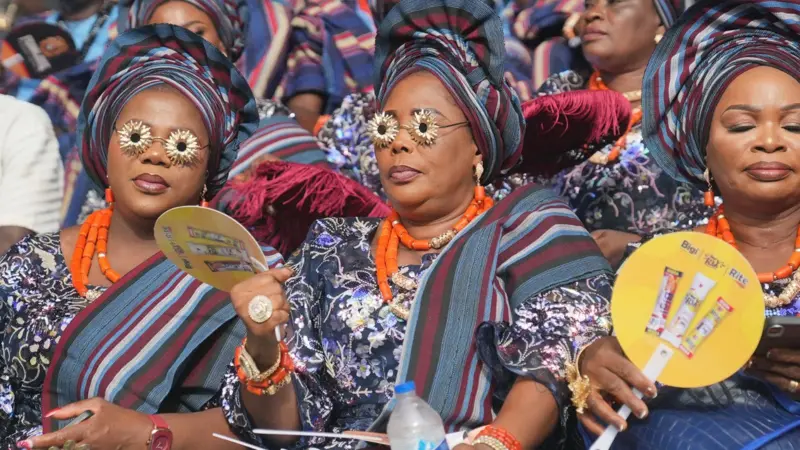
At a time when globalization and urbanization continue to reshape cultural identities, the festival demonstrates that tradition and modernity can coexist. Social media, digital storytelling, fashion innovation, and corporate partnerships have amplified Ojude Oba’s visibility, but the essence remains unchanged: honouring the Awujale, celebrating community, and preserving the rich heritage of the Ijebu people.
The future appears even brighter. Greater diaspora participation, digital archiving, youth engagement, and international recognition promise to further elevate the festival’s global profile.
Ojude Oba 2026 was more than a cultural event. It was a celebration of resilience, legacy, elegance, and identity. It reminded the world that culture is not a relic of the past—it is a living, breathing force that continues to evolve, inspire, and unite.
And in Ijebu-Ode, that force remains as vibrant as ever.

