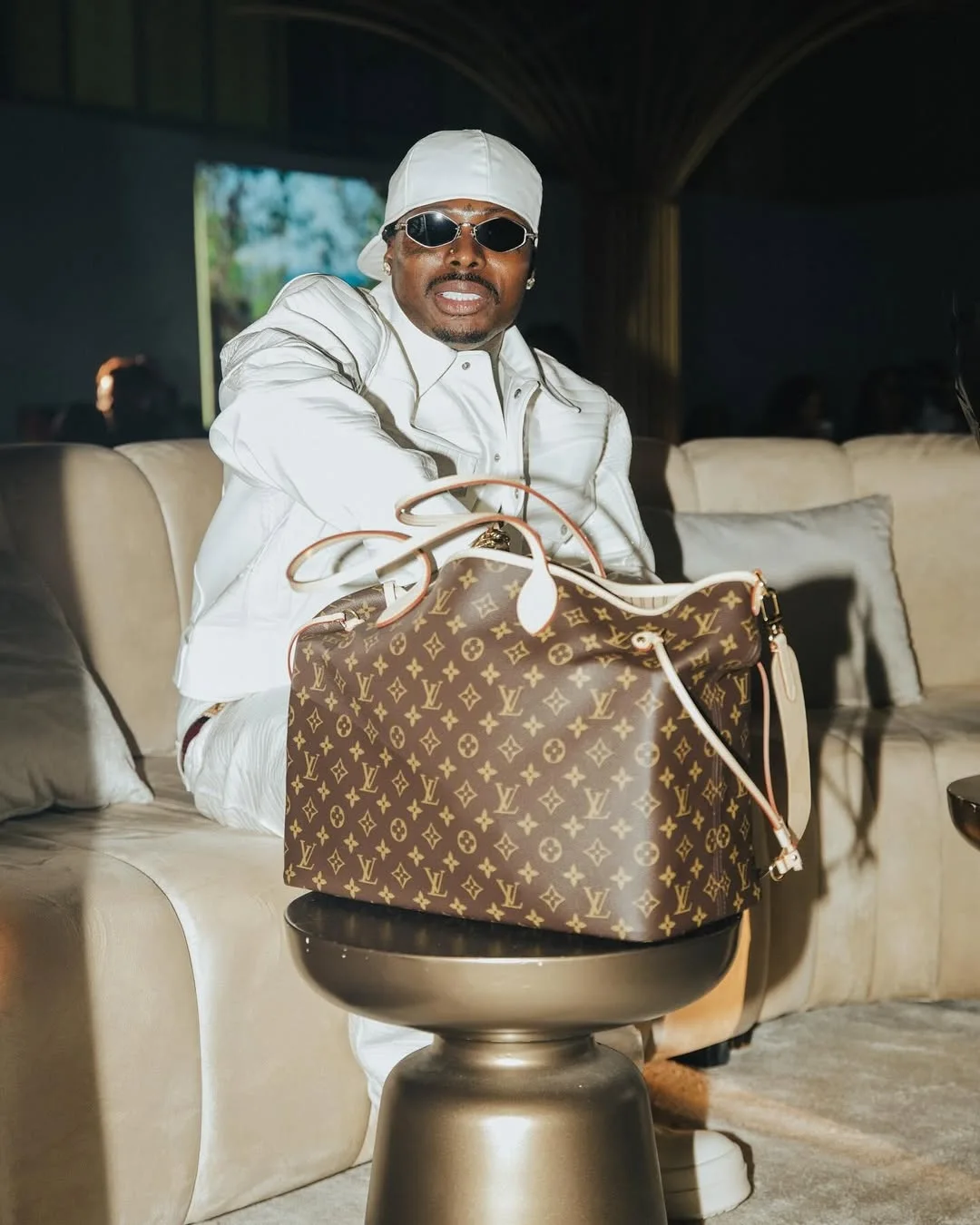
Ahmed Ololade, popularly known as Asake is arguably one of the biggest musical acts to have come out of Nigeria in the last decade. From the streets of Lagos, to world class arenas like the O2 arena and London, Asake has become, not just a household name, but a fashion trend, especially in the last 5 years.
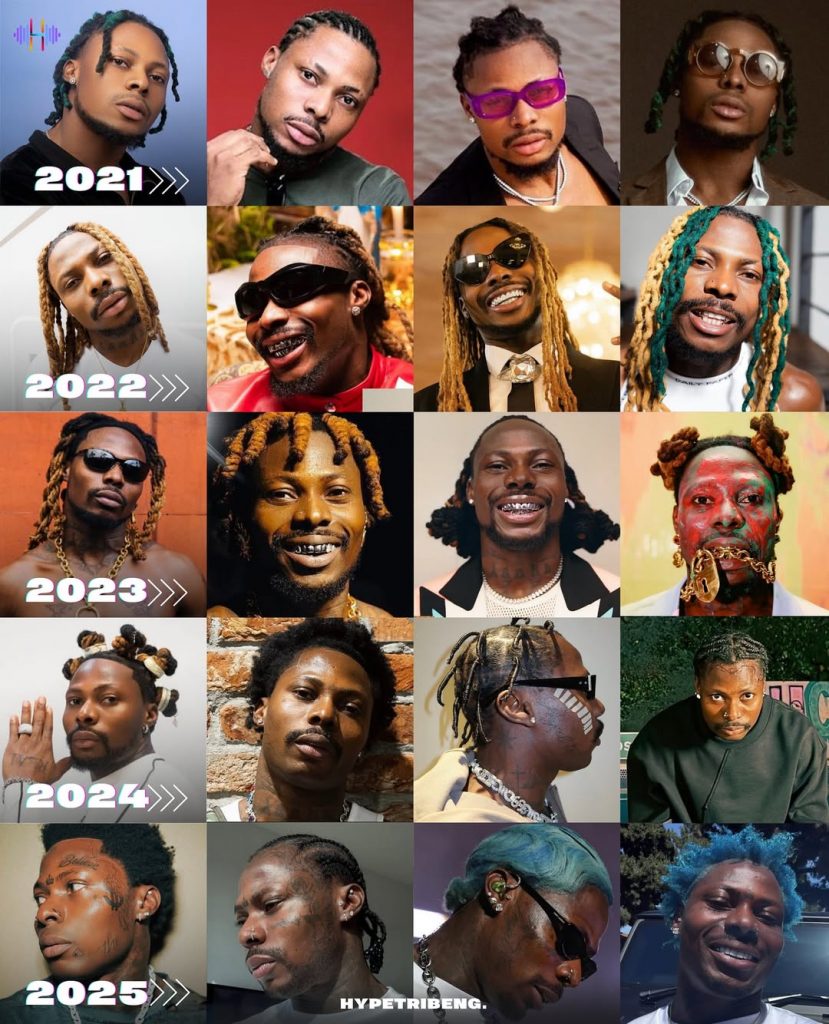
In this writeup, we shall be examining Asake’s evolution from “Mr. Money” to the global “Lungu Boy” is a masterclass in visual branding; shifting from a street-centric, rebellious aesthetic to a high-fashion, avant-garde persona that treats style as a “revolving manifesto.”
We will be following his fashion journey from his breakout era to his reinvention.
1. The Breakout Era: “Mr. Money” (2022–2023)
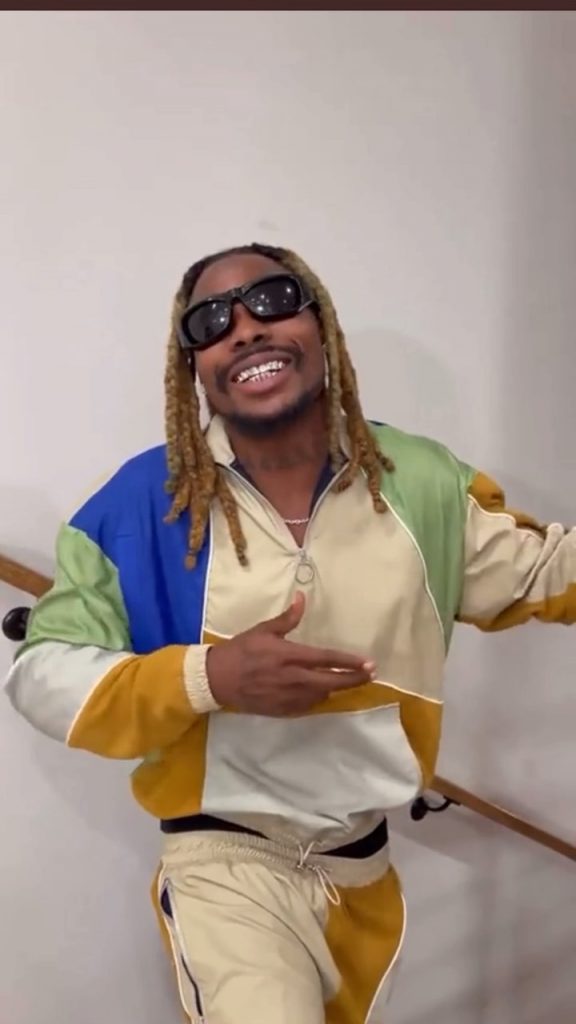
During his initial success, with huts like “Omo Ope” and “Terminator”, Asake’s style was defined by “organized chaos”—a blend of Lagos street culture and kitschy vintage elements, that made him look like a Nigerian version of the DC villain, the Joker. With prominent colours of suits, dress pants and dreadlocks, he always had a playful, downright humorous smile (with grills) that endeared him to the rebel fashionistas.
After his wardrobe malfunction, where he ripped his pants when performing the popular high kick, “gbese dance” at his performance in London; he switched his silhouette, popularizing the “Tight Top, XXL Pants” rule. Sources close to him confirmed that he believed his decision came to safeguard himself from future blunders.
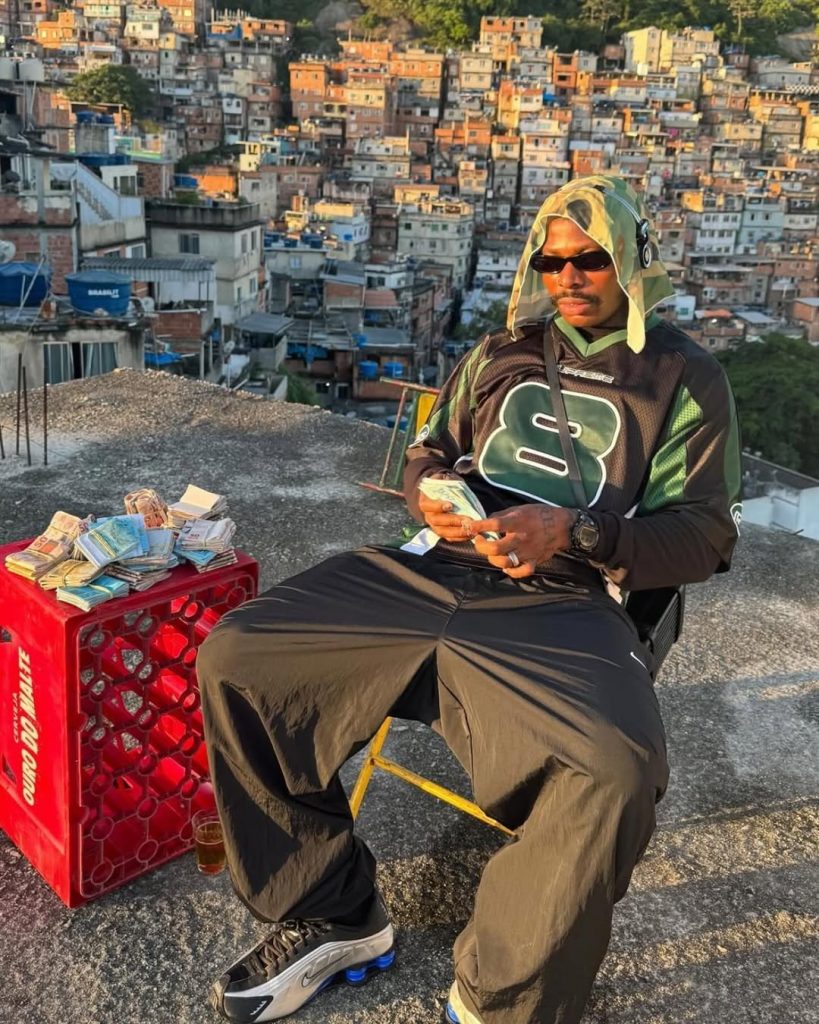
His exaggeratedly baggy trousers challenged Nigerian fashion norms, turning what was once a subject of mockery into a nationwide trend.
Asake’s signature hair also became infectious in the Nigerian/Afrobeats scene. His look was defined by his jumbo blonde/green braids and thick dreadlocks, often styled to look chaotic yet intentional.
In addition, his grills were defined by Gold and diamond-encrusted teeth, which became his most consistent accessory. He also helped introduce the use of vintage scarves & berets into the industry. The items were often paired with football jerseys or military fatigues, creating a “rebel-chic” look.
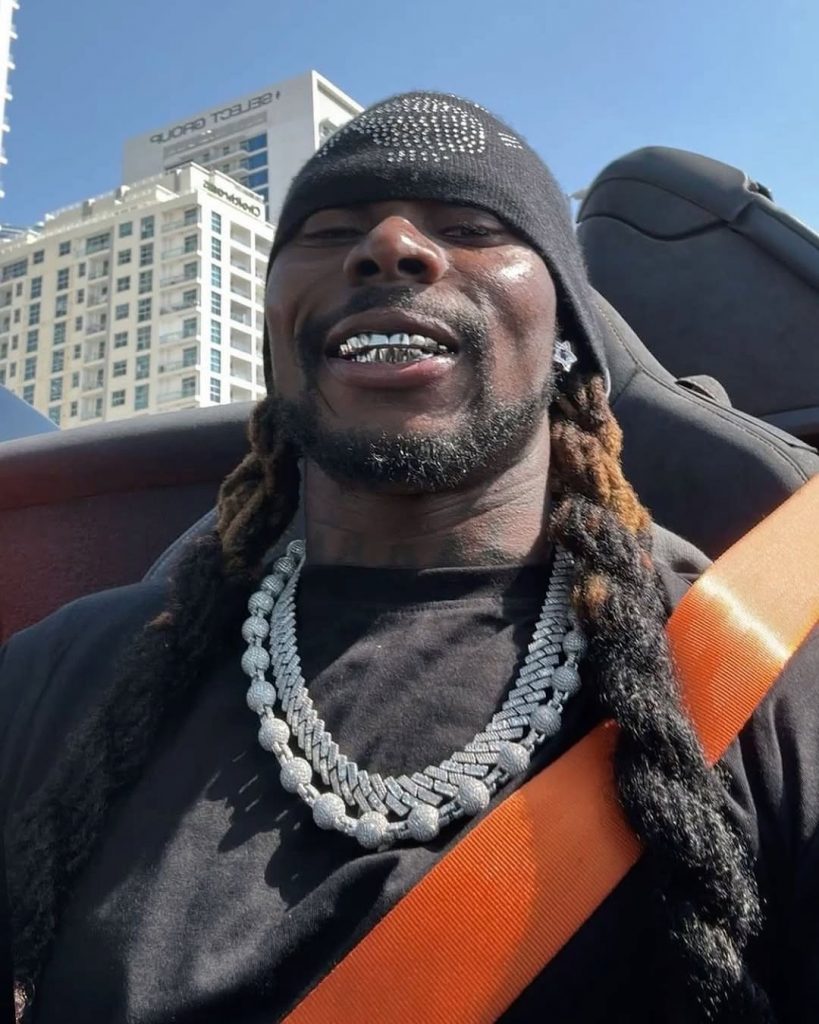
This style was not one created, but strategic. He was guided by stylists like Victor Nja, making his look loud, colorful, and deeply rooted in the energy of Lagos “hustle” culture. Typically “street”.
2. The Transition Era: “Work of Art” (2024)
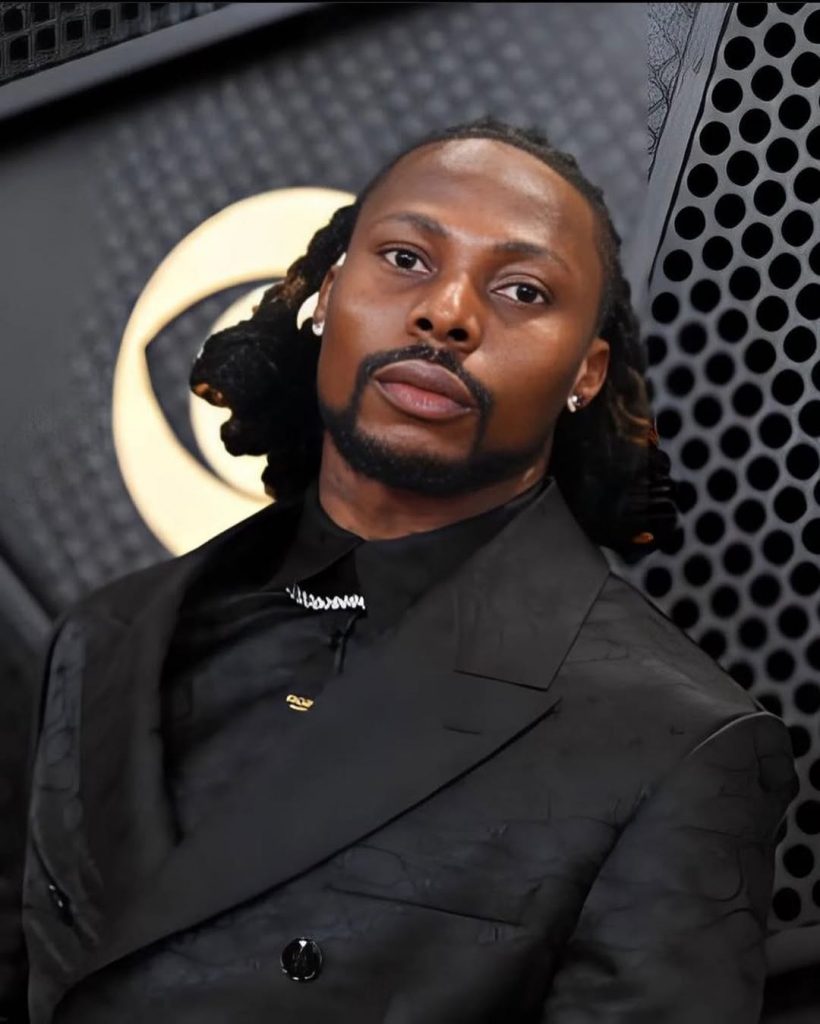
As his music gained global traction, Asake’s fashion style became more sculptural and opulent. Some may see this as his high-fashion pivot. Asake began incorporating more luxury labels like Balenciaga and Jacquemus, to his style. But what made it special is the twist he brings into it. This period saw him experimenting with “Pants-off-the-shoulder” denims and bold, block-colored ensembles.
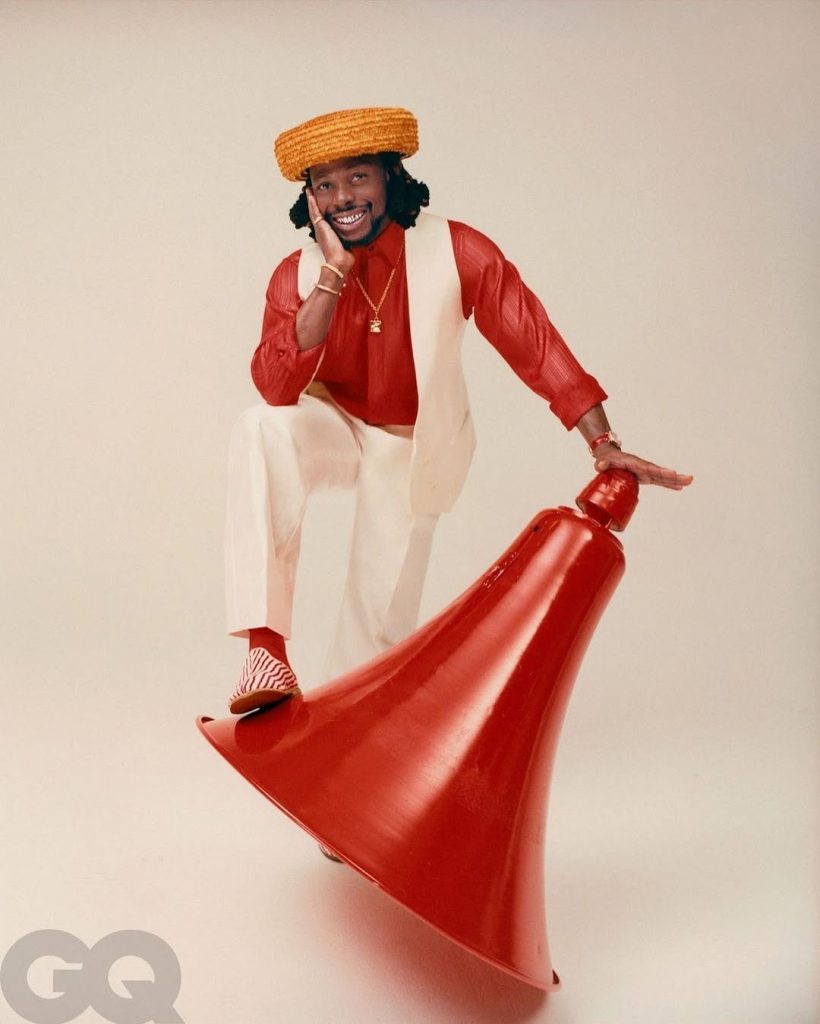
He also went on a cultural fusion, blending traditional beads and cultural accessories with modern high-street pieces. This signalled his transition from a local star to a global representative of African art and style.
3. The Current Style: “The Reinvention” (2025–2026)
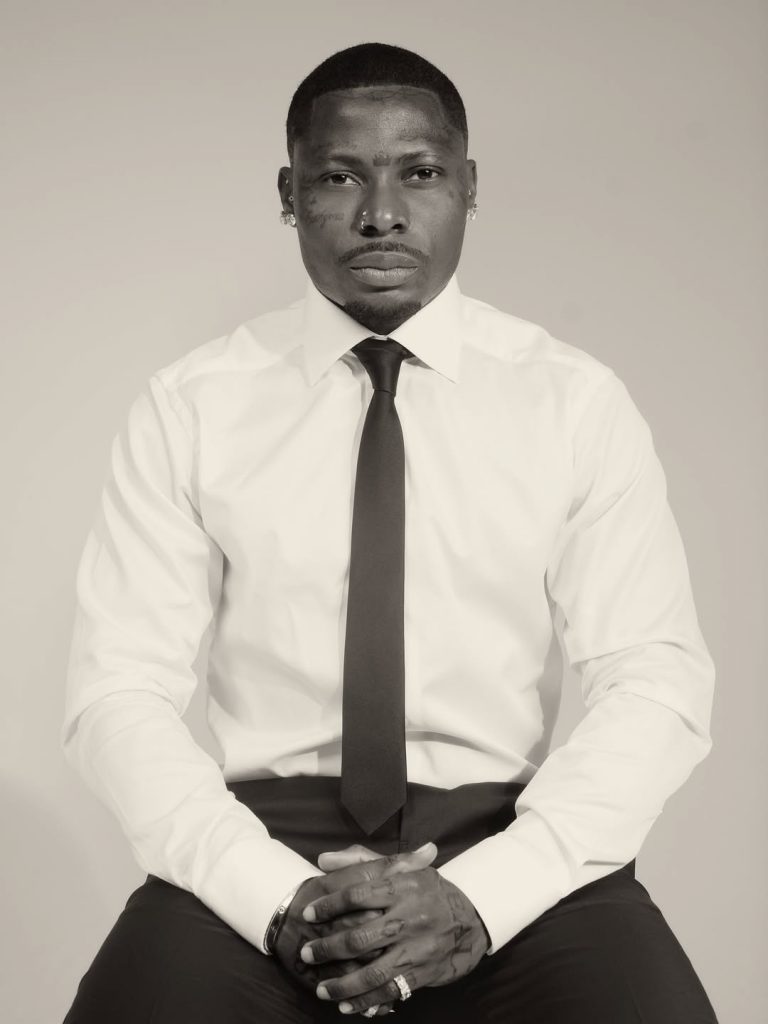
In the last year, Asake has undergone a radical transformation, moving toward a “cleaner” and more experimental aesthetic.
The most significant shift by the Afrobeats icon was his decision to cut off his signature dreadlocks, taking his hair further down little by little. In the last year, he also got more tattoos, inking his face and more parts of his body. Asake has since experimented with a low-cut afro, blue-dyed hair, and even a completely clean shave. This signaled a “blank slate” for his brand.
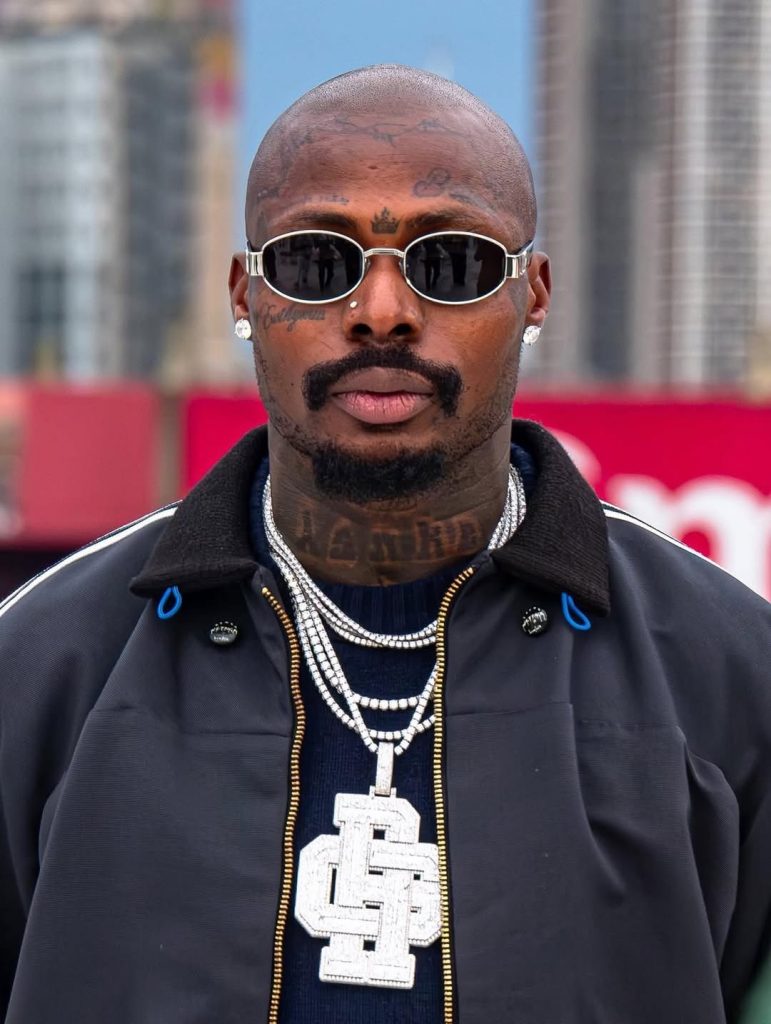
The superstar has also embraced a kind of sophisticated minimalism. Fashion police at recent events like the Jacquemus SS26 show, have noticed Asake’s style leaning toward “Quiet Luxury with a Twist.” This is evident in his crisp white shirts, cream wide-leg trousers, and suede bags—a softer, more elegant palette compared to the neon-heavy colors of 2022.
It is also worth noting that Asake’s facial tattoos, which are a permanent part of his “Lungu Boy” (street boy) persona, seem to be in contrast with his now more refined clothing choices.
Final Words
It is worth ending with the fact that Asake’s current style is less about “fitting in” to the street and more about “standing out” in the world of high art. He has successfully traded the novelty of the “big pants guy” for the reputation of a fashion chameleon. What are your thoughts about his style evolution? Let’s know in the comments section.
