
Most artists make music videos about their wins. Asake made one about his regrets. The official video for “Forgiveness,” released on May 9, 2026, feels different from other songs he has made.
The song forgiveness comes from Asake’s fourth studio album, M$NEY, and it’s the most vulnerable song on the album. It’s a prayer where Asake asks God to forgive him for his mistakes while promising to do better going forward.
M$NEY Album Performance
The M$NEY album, which was released on May 1, 2026, under Asake’s independent label GIRAN Republic, his first project after leaving YBNL Nation in February 2025.
The album broke streaming records immediately. It reached 37.5 million streams on Spotify Nigeria within six days, making it the biggest first-week debut ever recorded in the country. This beat the previous record held by Wizkid’s “Morayo” album, which got 35.8 million streams in its opening week.
Asake has two Grammy nominations and holds the record for the most entries on the Billboard U.S. Afrobeats Songs chart with 62 entries. He’s sold-out Madison Square Garden and the O2 Arena, and he’s one of the most-streamed artists on Spotify Nigeria.
“Forgiveness” debuts at #181 on the global Spotify chart with 1.371 million streams.
What “Forgiveness” Is All About
The video moves between different sides of Asake’s world. At times, he’s alone in open spaces, almost withdrawn. Other moments shift into louder scenes filled with women, dancing, and the kind of nightlife energy he’s known for. Money gestures and party settings appear throughout, keeping that lifestyle present throughout.

Magicsticks and Nana Ntorinkansah produced “Forgiveness.” The production is calm Afrobeats, rhythmic but slowed down compared to Asake’s usual high-energy sound.
The chorus opens with: “Forgiveness, forgiveness / Father, forgive me / For all the bad, bad things / Wey I don do-o, do-o.”
Then he makes a promise: “Consistency, consistency / I promise to remain consistent / In my positive action.”
The first verse is where Asake gets specific about his mistakes. He lists them directly: “Too many girls wey I fuck up / Too many friends wey I cut off / Just dey smoke, just dey jogo / I dey overtake as a top boy.”
He’s admitting to damaging relationships with women, cutting people off while chasing success, and smoking too much. These aren’t vague admissions, they’re specific regrets.
Then he switches to Yoruba: “Mo ti gìrán jù, èmi stubborn” which means “I’ve been too stubborn.” The language switch makes it feel more personal, like he’s talking to himself rather than performing for an audience.
He continues in Yoruba: “Mo bá’nú sọ, mi ò bá ènìyàn sọ / Ọba Ọlọ́run, ìwọ l’ọ̀rẹ́ mi.” This translates to “I confide in God, I don’t confide in people / King of kings, you are my friend.”
The song explains why it’s structured as a prayer, Asake doesn’t trust people with his problems, only God. The song ends with “Nobody perfect, padi mi” (Nobody’s perfect, my friend), which could be directed at God, the listener, or both.
Why “Forgiveness” Stands Out
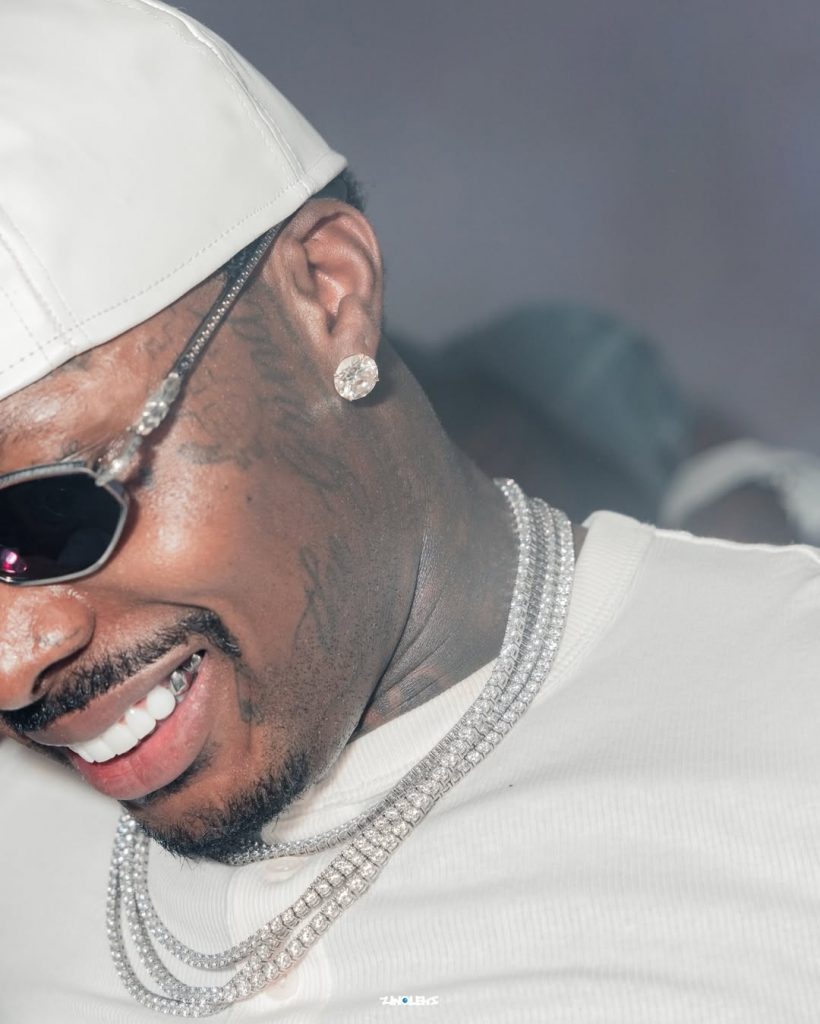
A large part of Afrobeats is built around celebration: success, confidence, money, nightlife, and ambition.
“Forgiveness” moves in the opposite direction.
Instead of glorifying the lifestyle, Asake reflects on the emotional cost that can come with it. He admits mistakes without shifting blame and focuses on accountability instead of image protection.
That honesty is what makes the song connect differently. It feels like the perspective of someone who has spent years moving fast and finally stopped long enough to confront the consequences of that journey.
